
- Inside the program
Bridgewater Advantage
The decisions that set a surface budget or shift a phased schedule are usually made before anyone with installation expertise has read the drawings.
By the time the trade is on site, the early calls are already inside the program. That’s why developers running phased work bring us in early, not when the crews show up, but when the design and the schedule are still being negotiated.
Bridgewater Surfaces is a British Columbia surface contractor: flooring, tile, stone, and architectural wall systems on commercial, multi-family, residential, and institutional projects.
We’ve been on this kind of work since 1979. Much of what we deliver happens months before our crews are on site.
WE MEET THE SLAB BEFORE INSTALL DAY
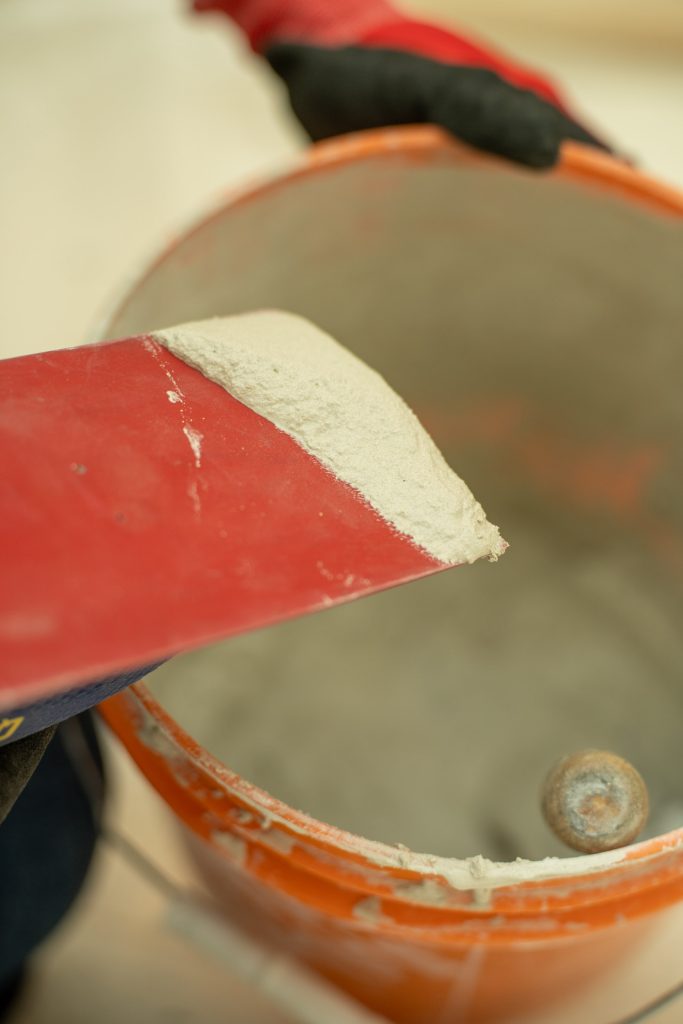
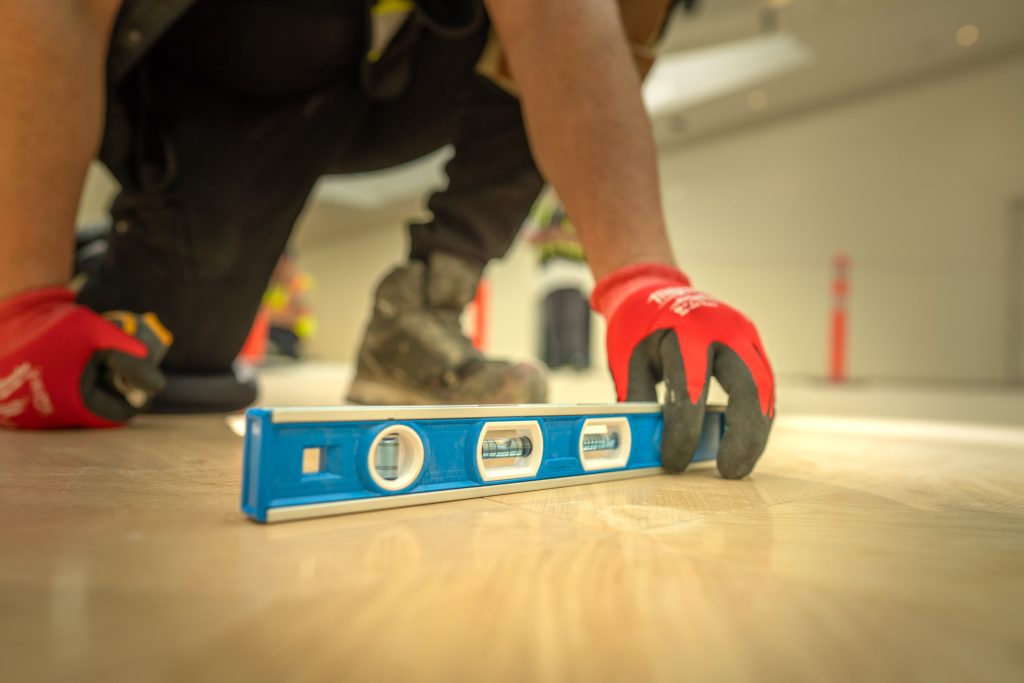
A surface scope holds its number when someone walks the substrate before installation begins. We test moisture, slab flatness, and substrate condition during pre-construction, not on the morning the crews arrive. Most of the problems that introduce risk in phased programs are findable in week one. By install week, problems that didn’t surface in week one have usually been quietly eating into the schedule for a month.
Caught early, a substrate condition costs what the remediation costs. Caught late, it lands on a critical-path day, and the cascade reaches every trade behind it. On a phased program, that cascade reaches the next phase.

TWO WEEKS THAT COST TWO MONTHS
Once installation starts, schedule damage is just the lag between someone seeing a problem and someone authorized to fix it. Our project managers don’t run that lag. Substrate mismatches, sequencing conflicts, and tolerance gaps get handled with your team the same day, at the trade level, not through a chain of emails back to someone’s office two weeks later.
Two weeks of substrate remediation never costs two weeks of program. It costs two weeks per trade sequenced behind it. On a phased program with tight follow-on trades, that math turns two weeks of substrate into the next phase’s start date.
THE LAYER YOU SHOULDN'T HAVE TO RUN
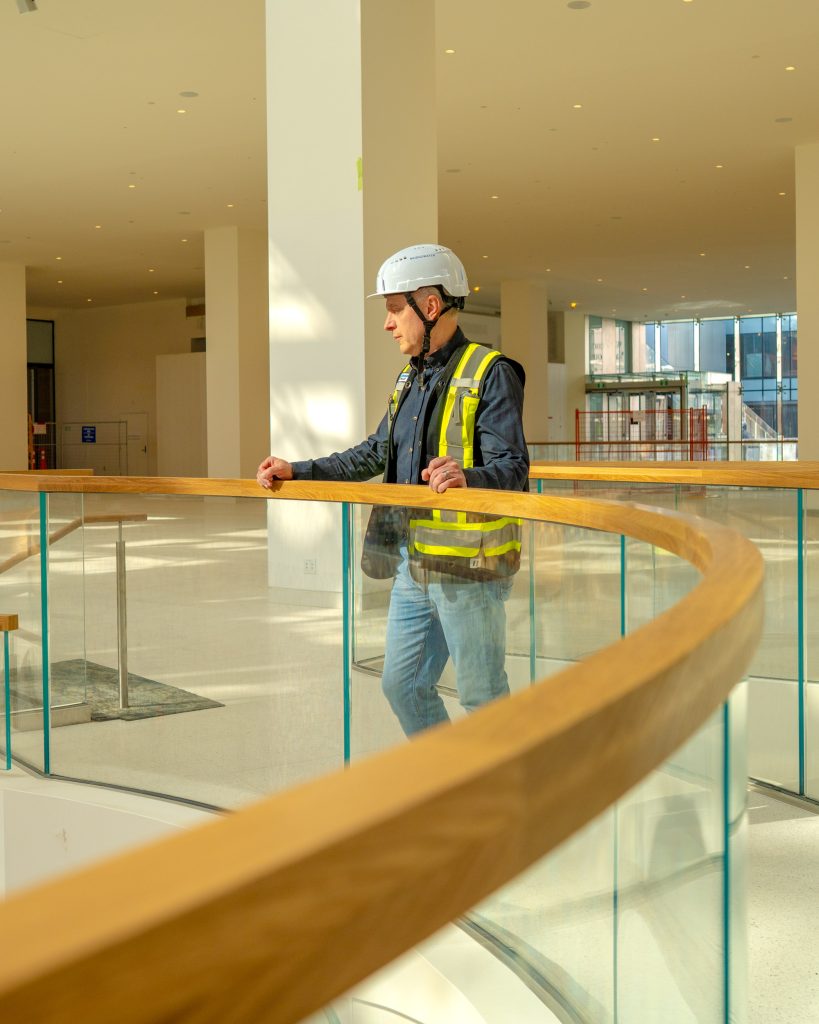
Two layers run in parallel on every project we take. Project coordinators handle paperwork, scheduling, and documentation. Project managers live on the site, supervising quality and coordinating with your other trades. We run both layers at once, not one after the other, so drift gets caught while it’s still drift, before it hardens into a change order or a slipped phase.
Specialty work and particular technical conditions bring in subcontractors under our management: under our books, our quality bar, our schedule. The developer still deals with one surface contractor, one scope, one budget. When a sub falls behind or a material slips, we catch it before it reaches your desk.

SCOPE AND PRICING YOU CAN HOLD TO
Two cultures price this trade. One treats the bid as an opening number and the gap as the developer’s problem; change orders in that culture pay the contractor twice for what should have been bid once. The other builds the bid in detail, names the unknowns honestly, and tracks every line continuously from estimate through handover. We run the second.
When material decisions, sequencing changes, or site conditions move the number, the variable gets reconciled against the bid as it happens. When conditions change, you know why and what it costs during the conversation, not after the invoice.
STANDARDS LEADERSHIP, NOT JUST STANDARDS COMPLIANCE
When a fastening detail or a substrate code question lands on your site mid-install, the answer depends on whether the contractor’s people are reading the standards or wrote them.
Andrew, our operating principal, serves on the TTMAC board. Bridgewater’s involvement on the association’s executive spans fifteen years, four of them as President. The standards our project managers work from are current because we help write them.
For developers running pre-qualification across multiple trades, that shows up as fewer compliance surprises during inspections and fewer warranty questions after handover.
ONE TRADE, EVERY SECTOR
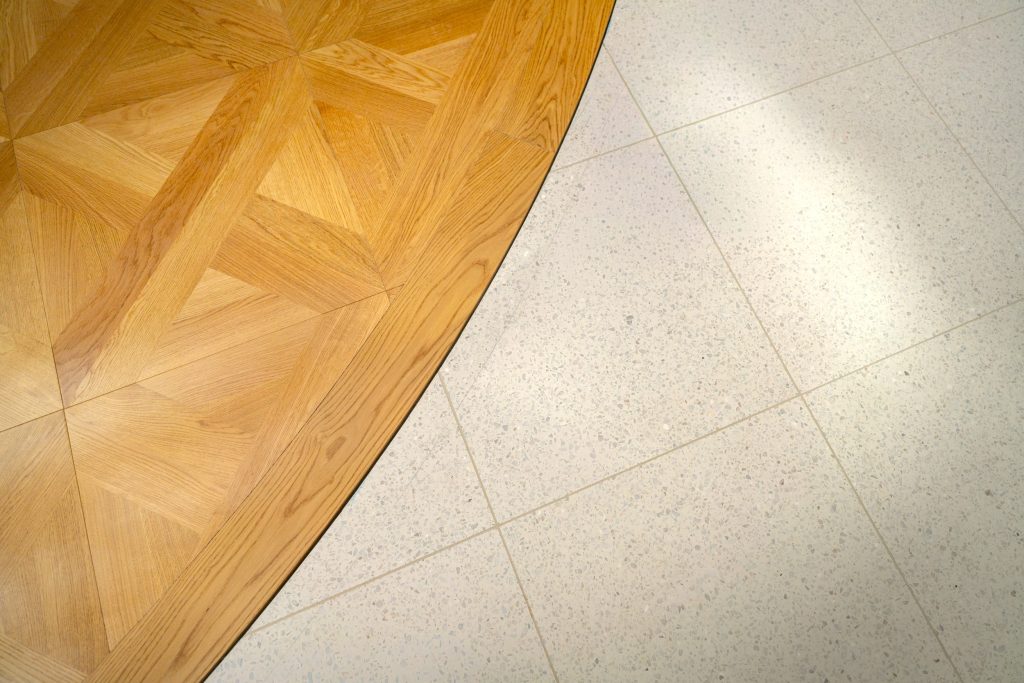
Interior flooring. Exterior and interior wall systems, including large-format installations. Architectural stone and tile finishes. Pedestal and hardscape systems. Pool installations. Countertops and window coverings. We handle the full surface scope as a single trade, not separate contracts. The transitions between trades stop being where the rework lives.
You can bring us in for one surface trade or the full scope – the operating system runs the same either way.
Each sector has its own failure modes. On commercial and institutional, the surface install often carries the envelope or the fire rating, and the records have to hold up to audit. On phased multi-family, a tolerance miss multiplied across forty units, or across phases, is a program problem, not a callback. Our process adapts to whichever pressure is in front of us.
Over the last five years, Bridgewater has delivered 9,000+ multi-family units across 20 high-rise towers and 18 low-rise developments in British Columbia, including phased programs. 550+ single-family residences. 300+ commercial and institutional buildings.
Multi-family from SOCO and Pier West to Gilmore Place.
Commercial from the Oakridge Mall Redevelopment to Simon Fraser University.
Hotels from the Rosewood Hotel Georgia to the Four Seasons Whistler.
Same standard, every sector.
One contract, one accountable team,
every surface in your scope.
- Pre-construction call
BEFORE THE BUDGET LOCKS
If your next program has tight sequencing, multiple surface types, or prep questions you’d rather settle before install week, a conversation with us is the cheapest way to find out what you’re actually dealing with. We’ll review your scope, your site, and your timeline, and tell you what we can hold to.
